
Kuzhithurai · Marthandam · Kaliyakkavilai
Indicator and hazard repair — because your turns should not be a surprise
At Kallukatti, Kaliyakkavilai — on the NH-47 (now NH-66), near the Nayara petrol pump — and at our Pudukadai branch. Open from 8 AM, every day.
Also called: indicator, blinker, turn signal, hazard. On a highway full of overtaking, the indicator is the only future tense a vehicle can speak. This page keeps it fluent.
When you need this
Indicator work is due when: nothing flashes on either side; one side is dead while the other struts; the flash has gone double-speed — the circuit's way of reporting a dead bulb; lamps light steadily but will not blink; or the hazards work while the indicators refuse, or the other way round.
Signals dead before a night drive or a permit check? Call 094872 34923 — flasher and bulb faults are usually while-you-wait work, and hand signals stopped being enough a few decades ago. Emergency help →
Indicator faults enjoy explaining themselves, if you listen. Fast flashing is the relay complaining that one bulb's load has vanished — find the dark corner and you have found the fault. Both sides silent points at the flasher relay or the stalk switch. One whole side dead is wiring or a shared connector, since two bulbs rarely die holding hands. Steady light without blinking is the flasher itself gone rigid.
The repairs are correspondingly brisk: bulbs and holders cleaned or renewed, flasher relays swapped from stock — including electronic flashers for vehicles that have moved past the old thermal click — stalk switches repaired, and the damp-grown earth faults that make signals flicker and cross-talk cleaned back to certainty. Hazards, which share the lamps but not the whole circuit, are tested as their own path so the emergency button never becomes the surprise.
Cars, autos and commercial vehicles all queue here — a load-carrier signalling a right turn across the NH-66 is trusting this circuit with quite a lot.
What it costs
| Indicator or hazard fault, per repair | ₹150 – ₹450 |
|---|
Bulb and relay work sits at the small end; switch and wiring repairs a step up. Nearly everything on this page finishes the same visit.
Symptoms this fixes
FITTED or REPAIRED
Indicator and switch brands we fit
 Uno MindaSW-06 Series, Combination Switch Assemblies, Hazard Warning Modules, Electronic Flasher Units, Column Mounted Controls
 Minda Corporation (Spark Minda)CS-500 Series, Multi-Function Steering Switches, LCV Heavy-Duty Indicator Stalks, Rugged Push-Button Hazard Controls
 Lumax IndustriesIN-LED Series, Sequential Turn Signal Modules, Fender Indicator Assemblies, Side Marker Combination Lamps
 Lucas-TVSFlasher Module Series, Heavy Commercial Multi-Position Switches, Tractor Indicator Relays, Industrial Hazard Units
 HELLA India6ED Series, 24V Electronic Flasher Relays, Marine-Grade Toggle Switches, Modular Emergency Hazard Lamps
 Varroc EngineeringVC-Switch Series, Intelligent Handlebar Controls, Commercial Flasher Control Units, Micro-Controller Relay Assemblies
Indicators — what you should know
Fast flashing is a message, not a mood
The relay speeds up when a bulb stops drawing current — front, rear or the side repeater you forgot exists. Read it as the vehicle pointing at the dead lamp, and the repair is often just that bulb and its furred holder.
After fitting LED indicators, everything blinks wrong
LED lamps draw too little current for an old thermal flasher, so it panics into double-time or stops. The cure is the matched electronic flasher or proper load handling — not resistors taped into the loom.
Doing LEDs properly the first time is its own page: LED and auxiliary light fitting →.
Indicators fine, hazards dead — or the reverse
The two share lamps but arrive by different switches and feeds, which is exactly what makes the half-working case diagnostic gold: the failure sits in whichever path is silent, and the search is already half done.
Indicators — vehicles we do this for
-
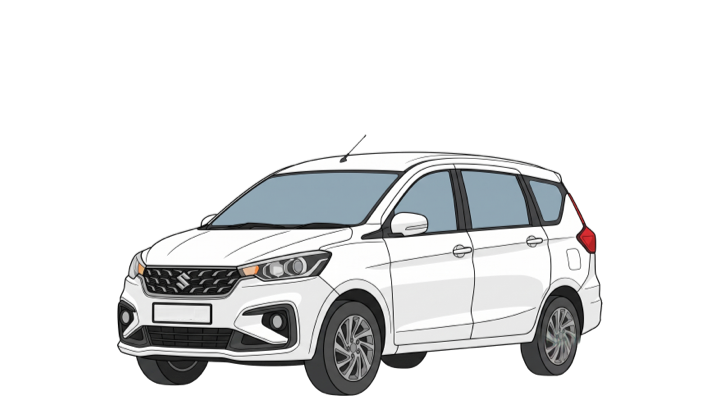
Cars & SUVs
- Maruti Suzuki
- Hyundai
- Tata
- Mahindra
- Toyota
- Honda
- Kia
- Renault
- Nissan
- Skoda
- Volkswagen
- MG
- BMW
- Audi
- Mercedes-Benz
- Volvo
-
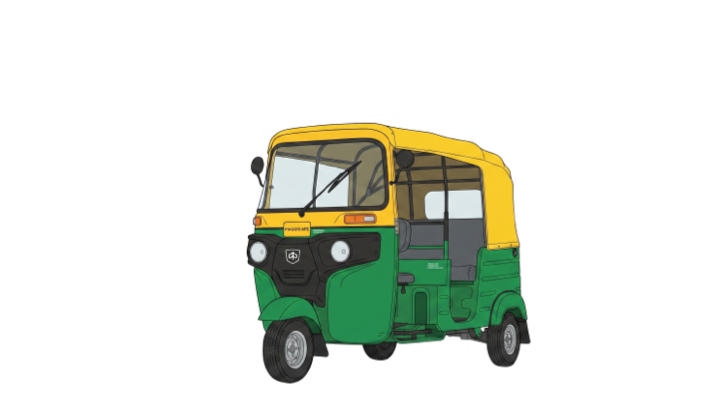
Auto rickshaws
- Bajaj
- Piaggio Ape
- TVS King
- Mahindra Alfa
- Atul
-
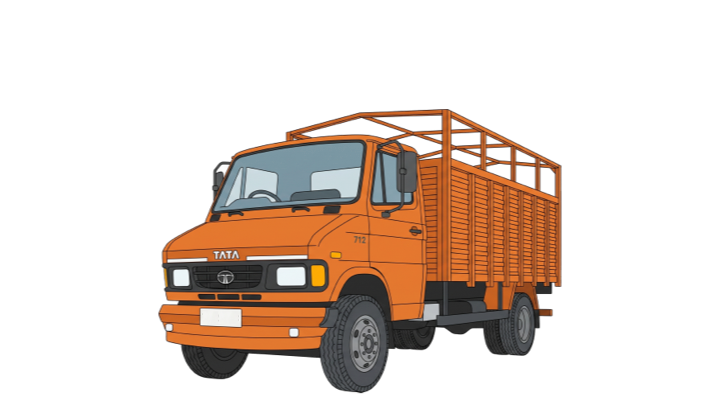
Trucks & lorries
- Tata
- Ashok Leyland
- Eicher
- Mahindra
- BharatBenz
-
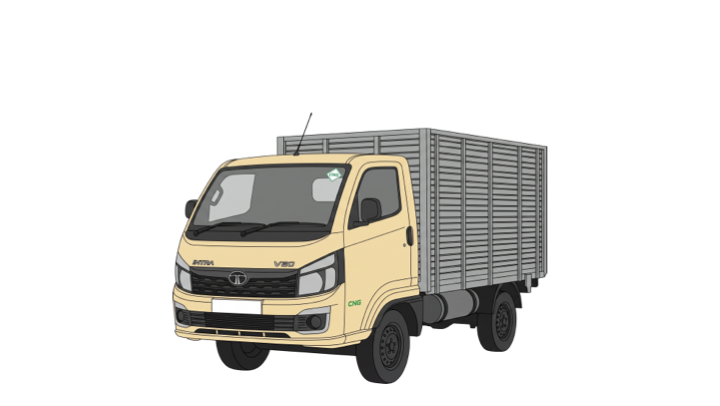
Pickups & mini trucks
- Tata Ace
- Mahindra
- Ashok Leyland Dost
- Maruti
- Isuzu
-
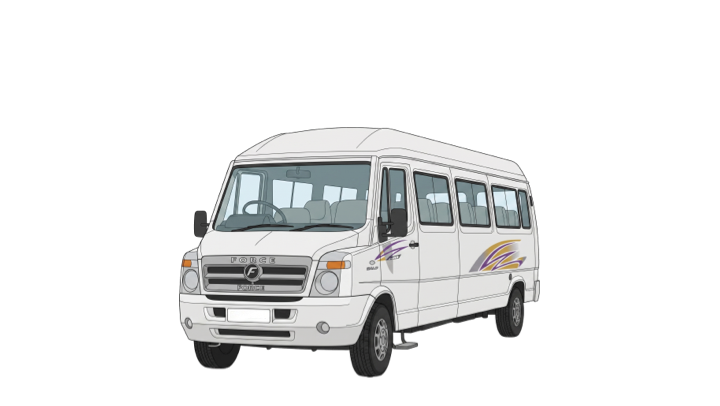
Buses & vans
- Force
- Tata
- Mahindra
- Ashok Leyland
- Eicher
-
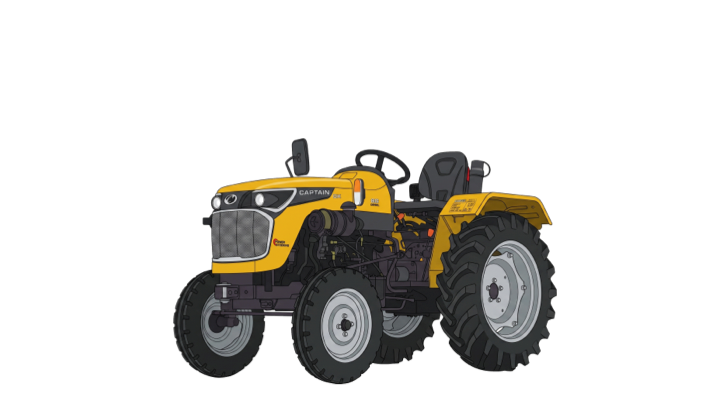
Tractors
- Mahindra
- Massey Ferguson
- John Deere
- Sonalika
- Swaraj
- New Holland
-
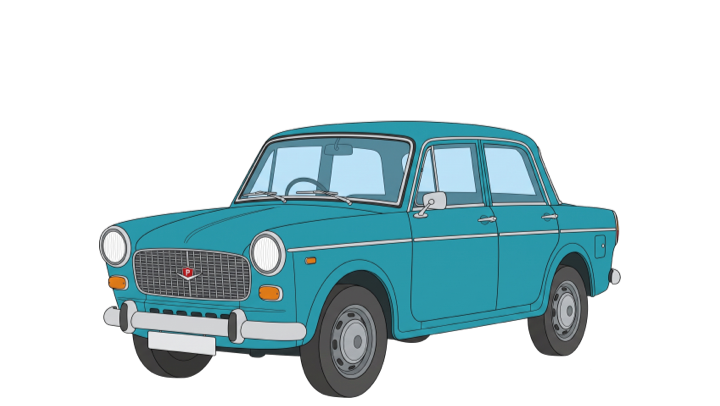
Vintage & classic
- Ambassador
- Premier Padmini
- Standard
- Willys Jeep
- Morris
- Austin
- Contessa
Indicators — common questions
What does indicator repair cost?
₹150 – ₹450 — with most faults at the bulb-and-relay end of the band and done while you wait.
My indicators show on the dash but not outside.
The dash repeater can flash on the switch side while the lamps starve on the output side — usually a connector or earth on the way out to the corners. Quick to trace with the right meter.
One side works only sometimes, mostly in dry weather.
Damp-sensitive faults are earth or connector corrosion breathing with the humidity — a small clean-and-seal repair that ends a long-running irritation.
Auto rickshaw indicator sets — fitted and repaired?
Both — including proper flashers and switches on autos where the original set was minimal or long gone. Signals on a three-wheeler earn their keep daily in this traffic.